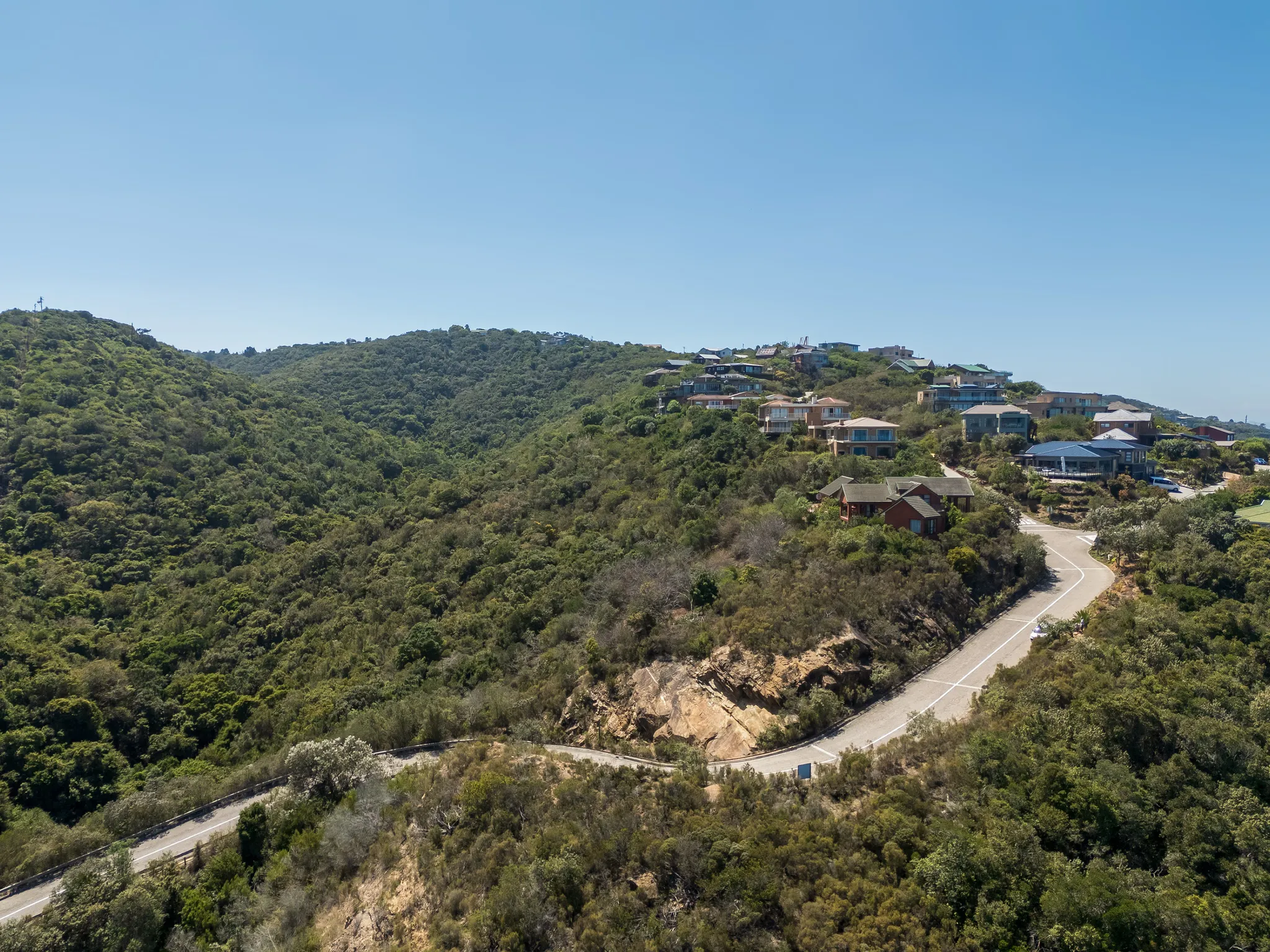
Stilkrans arches
When we originally briefed Penny (our architect), I told her that anything is up for debate, except what people feel when they stay at Stilkrans. When they walk through the door and down the stairs, or settle down in the lounge at the fireplace, I'd love for our guests to say, "Ah, this feels so good."
One of her most striking responses to that brief was a series of arched windows combining classical architecture with the quatrefoil patterns of medieval Gothic churches. At 3m high, 2m wide and 1m deep, they're almost like small rooms of their own, framing views of the ocean and mountains.
This sketch hardly does them justice.

There's just one problem. Nobody can make them. I've spoken to at least 9 aluminium companies and every single one has turned us down. They're nearly impossible to make: the aluminium profile required for these windows breaks when bent around tight curves.
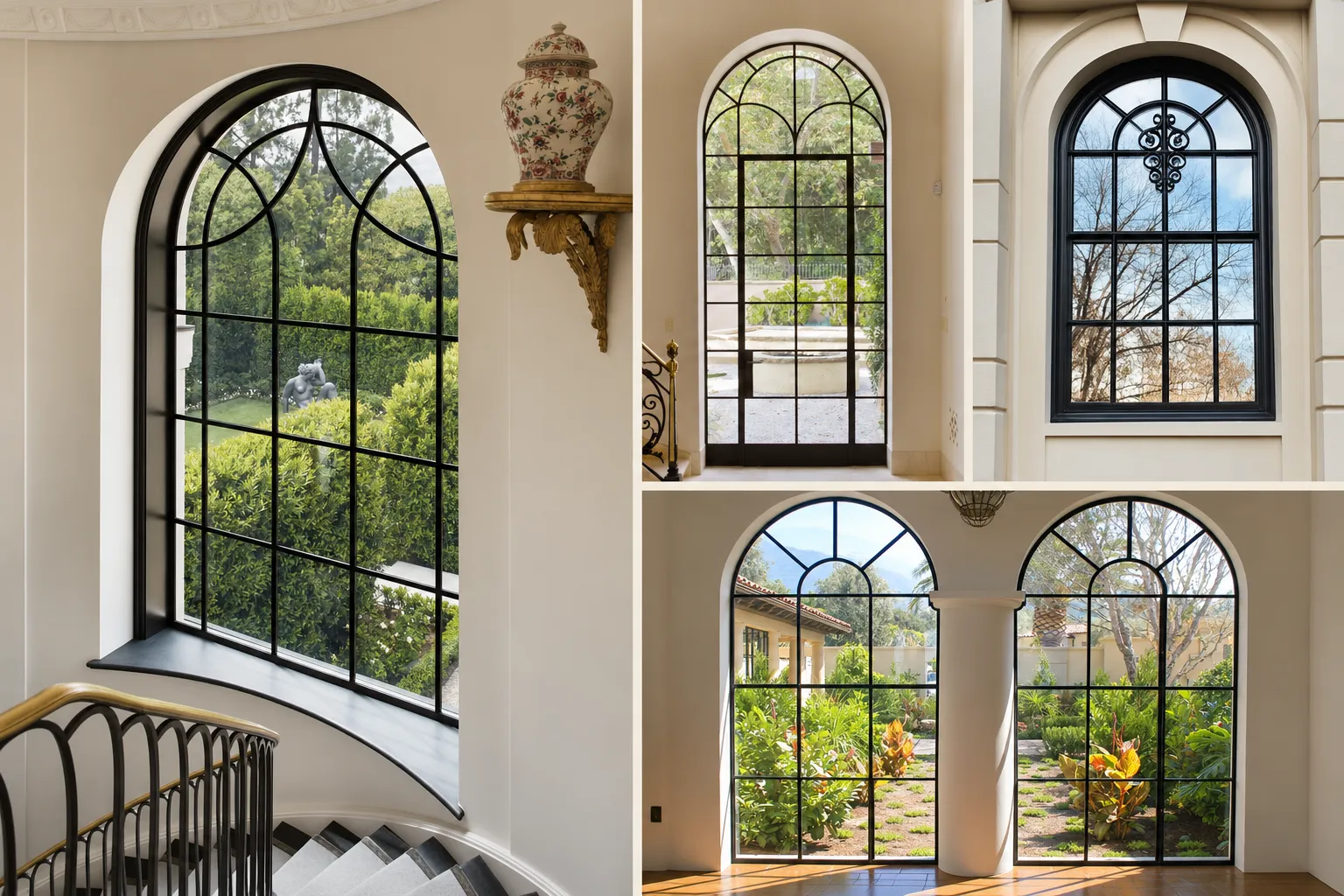
The windows below can manage these curves because they don't need to open along them, and likely use thinner aluminium profiles.
We explored all kinds of solutions, but the one I've been stubbornly refusing is changing the design. It certainly would be easier to surrender to square windows, but they wouldn't have the same weight. When I think of arches, I think of historic churches built centuries ago with love, care and deliberation.
I simply cannot imagine having Gothic tracery in a square frame.
So, how do we keep the arches if we can’t make them in aluminium? By making them the way they did for centuries: out of wood.
I originally rejected wood as an option because of the maintenance. In my mind, the windows would only last a few decades. Also, there are few things as annoying as a window that gets jammed because it has swollen.
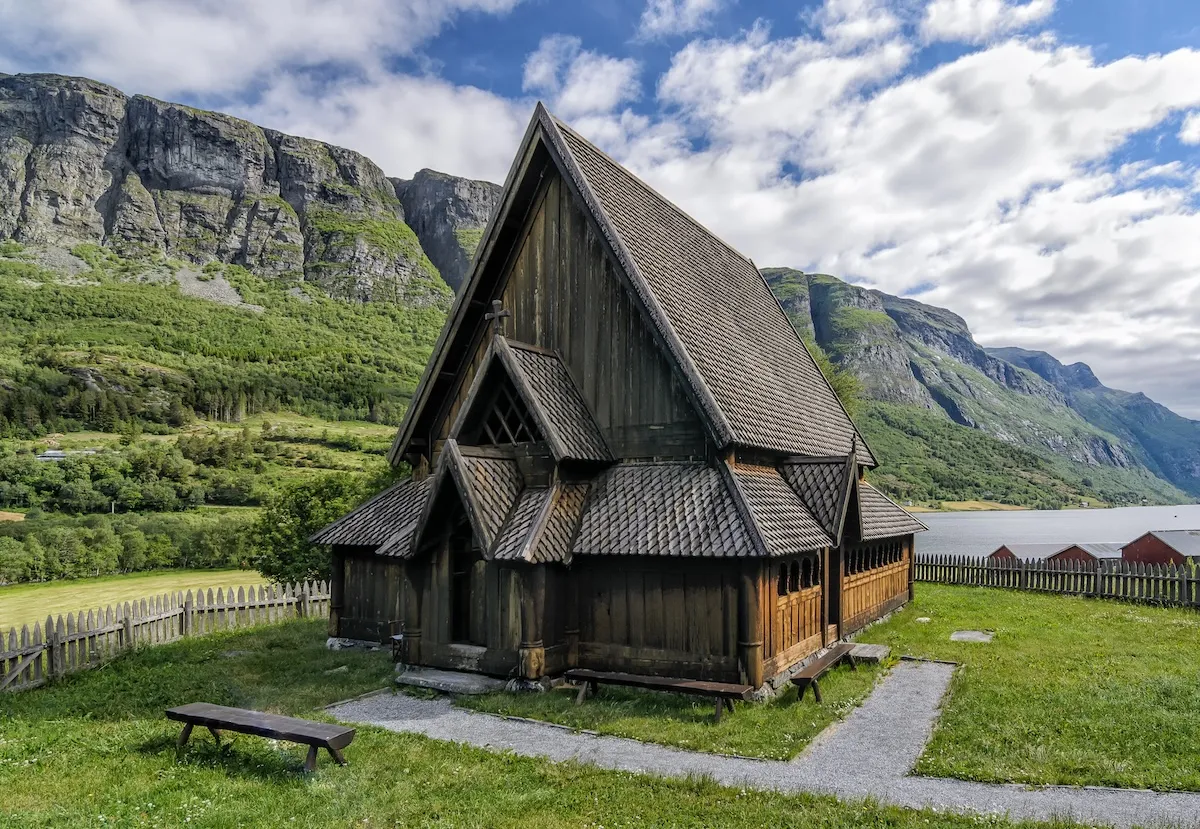
However, after a lot of research, I've come to realise that there is no reason why wood can't outlast aluminium. Many Norwegian stave churches built in the 12th century are still around. They were built with good quality wood, interlocking joinery and stone foundations, and have been maintained continuously.
Here's Øye, built around 800 years ago.
If we could do it before, we can do it today.
We'll find a great joiner who can lovingly make them out of iroko or teak. Sure, there will be oiling and sanding, but also lazy afternoons watching birds hop from branch to branch and clouds change colour over the ocean.